If you’ve had a surveillance system installed within the past decade it’s more than likely that it’s either an analog or IP (Internet Protocol) system. So what’s the difference? Analog typically refers to an older technology that doesn’t use Ethernet protocol. IP includes “IP-addressable items,” the cabling, and network equipment used to connect all components to an Ethernet networked system. As people transition to a fully digital IP system there is some overlapping of the two technologies creating hybrids. Making the switch from analog to IP isn’t always as daunting as it may seem and there are options that make the transition easier over time.

So why make the switch from analog to IP? For one, a fully digital IP system will have improved performance over an analog system. Many IP cameras are equipped with features like, “advanced digital signal processing, optical zoom lenses, wide dynamic range, on-board analytics and auto image stabilizers…” These features in conjunction with high resolution megapixel cameras provide better coverage and the ability to cover more area with less cameras. Being able to expand or re-configure, also referred to as scalability, comes easily with an IP system. This is an advantage to any organization especially one that plans on expanding or renovating in the future as the initial investment cost isn’t lost in the process.
With IP surveillance systems comes advanced analytics. That means footage can be monitored, recorded, interpreted, archived, and retrieved by the central server as well as peripheral devices. How is this beneficial? It helps when looking for specific recordings as a search can be initiated versus having to view hours of useless footage. If an alarm is activated this type of intelligence can be used to zoom in on what is setting it off which cuts down on time looking for what it might be.
There’s also a flexibility that comes with converting to an IP system. It makes system integration easier when it comes to adding features like access control, alarms, and extra cameras. You also have more of a reason to store a higher volume of footage with an IP system because the image quality is clearer and be accessed easily. Having an IP system allows for ease of software upgrades which helps keep it relevant. In that sense IP is worth the initial up front cost as it is more adaptable to future technologies and won’t require extensive re-cabling and labor in years to come.
Does this mean you have to completely abandon your analog system all at once? Not necessarily. As each system is different the only real way to tell what will need to be done is to hire a security systems expert to do an in person assessment of the current situation. One option might be to use the existing analog equipment and simply add converters to the camera and network switch ends of the cabling. This creates a sort of hybrid system where you’re using existing coax cable from the analog system but the converters allow you to add IP cameras; they don’t have to rely on your company’s network and can still be recorded on your DVR, NVR, or VMS (Digital Video Recorder, Network Video Recorder, and Video Management System).
The benefit to a hybrid system is you don’t lose out on the initial investment of the original system and it allows for easy add-ons, upgrades and replacements of IP technology. The other option is to completely remove all analog devices and cabling and start over with a new IP system. Sometimes IP systems can utilize existing analog infrastructures so that could be an alternative to starting from scratch. Remember if you have an IT department at your facility it is important to include them in the process to ensure a seamless integration.
Whether you’re looking to upgrade to and IP system all at once or try the hybrid approach it’s key to include a licensed security systems expert from the beginning. They can help guide you through the process from start to finish. We understand that each facility is unique and requires individualized security solutions.
If you live or run a business in Central or Northern New Jersey and would like information on any of the topics discussed above, please call 800-369-3962 or simply CLICK HERE.
 Comprehensive security systems are what help maintain a safe and secure work environment or home. As a consumer it is in your best interest to hire a systems integrator with experience, knowledge, and know-how, but how do you tell the good from the “just okay” or bad? Any company can spout off how many years experience they have or jobs they’ve completed, that doesn’t really give you much insight into how they operate and solve problems.
 Assisted living facilities are dynamic environments. You have occupants with varying levels of medical needs alongside administrative, medical, and visiting personnel. It’s a somewhat complex security issue because residents and staff need to be able to move throughout the facility freely, but unauthorized entrants must somehow be kept out. The mental health and acuity of residents can also be a cause for concern. In an aging population medical conditions like dementia and Alzheimer’s can cause residents to wander off or get lost which is a major concern for staff and resident relatives. Thankfully by implementing security system solutions many of these concerns can be addressed.
 We live in an exciting time where it seems every day a new technology is being born. Everything from our computers to our phones to our everyday accessories are advancing at a rapid pace. The implications of a technology may not be fully realized until after the fact, and it may not always be an issue with the technology itself, but how it interacts with existing components of our already complex systems. This is especially true of security system components.
 When you’re starting any kind of project, what’s one of the first things you do? In all likelihood you go to your computer, smartphone, or mobile device and open up a search engine. You run search after search to find what you’re looking for. In our connected world of the IoT (Internet of Thing) we are, at least partially, reliant on what we can find online. You can find information on virtually anything. This includes anything from how to properly stain a deck to how to choose which security system integrator is the best.
 As a property manager you have a lot of people that depend on the safety and security of the real estate you oversee. Whether or not you own the properties you rent, or work with a landlord in managing their properties, a bulk of the responsibility lies on your shoulders. Your main goal is to attract responsible patrons, keep them, and build your brand. How can you do that if the property you oversee is publicly perceived to be too risky or unsafe? That’s the problem, if there has been an incident at a property that you own the public tends to remember and will likely steer clear of that address.
 If you have a security system you might already understand the consequences of a false alarm. It is not something to be taken lightly and can have serious implications. False alarms can happen for any number of reasons and it’s important to understand why and how best to avoid them. No security system is perfect, and false alarms are bound to happen, but as end users and integrators it is our duty to try to minimize them. At
 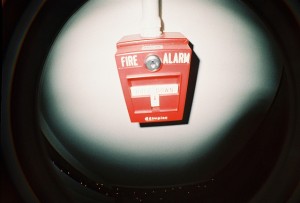 As with anything in the security systems industry, prevention is vital. Preventing catastrophic loss is a top priority and one of the most crucial security system components that helps avoid such situations is the fire alarm system. This is a no brainer, but there is some disparity between what type of fire alarm system is best. In the alarm industry there are basically two types of fire alarm installations, conventional and addressable (or analog addressable). As always, every situation and application is different therefore claiming one system is superior to the other may not be the right approach. However, it is important to understand the difference between systems and why one might be used over the other.
 Addressable fire alarms indicates that each installed device or module is connected to the main fire panel in a “