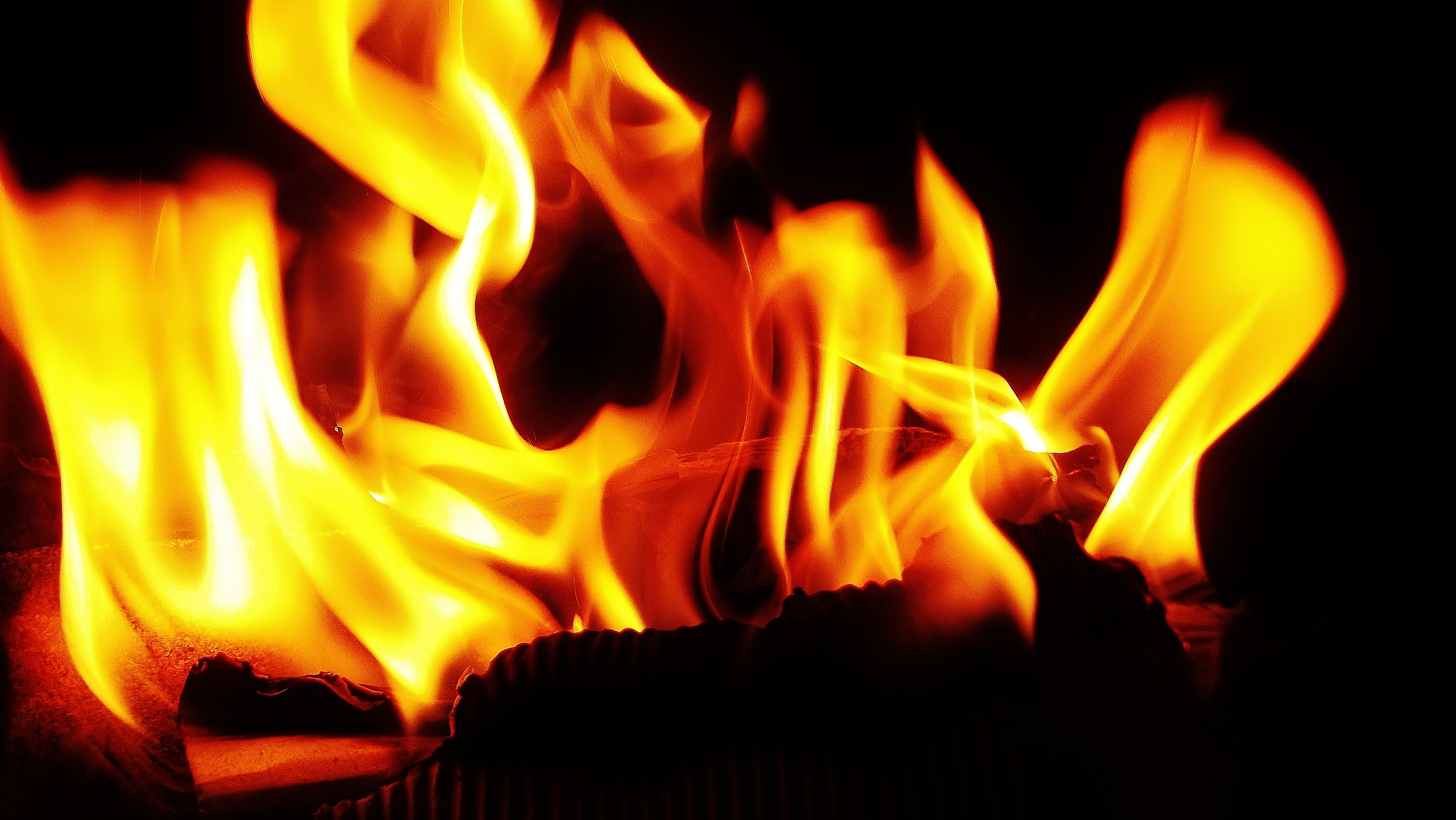
 We all know that having working fire/smoke detectors, alarms, and fire extinguishers in our homes can prevent tragic loss and irreparable damage. The same holds true for business facilities. However, the codes and standards for a commercial space versus a home are different, and they can vary by jurisdictions as well. According to the NFPA (National Fire Protection Association) codes are the rules and standards are the method by which the rules are applied. There have been major events in history that have triggered modifications to national fire codes and standards. The Station Nightclub fire in West Warwick, RI in 2003, and The Cocoanut Grove Nightclub fire of 1942 in Boston, MA are a couple examples of why and how fire codes have changed throughout the years.
If you are a business owner, you know the importance of protecting your facility, employees, and assets/inventory. How can you be sure your business meets the proper fire safety codes? In all likelihood, if you’re currently in operation, you’re building/facility has passed an initial inspection. However, yearly inspections are required and codes are revised every 3-5 years. If you are renovating or adding on to a space you will have to schedule a new inspection. For this reason its best practice to involve an expert from the start of a project to avoid any major hiccups.
You’ll need the proper fire safety equipment which can include smoke detectors, fire alarms, carbon monoxide detectors, and possibly a sprinkler system. Integrating these features with your alarm system is crucial for a quicker response from emergency services. Installing a wireless smoke detector that is not connected to your alarm system doesn’t notify local services in the event of an emergency. The only person that type of detector benefits is someone on site or nearby during an emergency. What if no one is around?
Failure to comply with the proper safety and code requirements can lead to inspection rejection and fines. Our licensed professionals at Perfect Connections, Inc. can ensure the safety and code compliance of your business by installing the proper fire safety equipment as part of a comprehensive business security system. If your facility is located in Northern or Central New Jersey, our team can guide you through the process from initial assessment to final installation. You have enough on your mind already, let us help you avoid mental anguish.
Reasons For Code Non-Compliance:
- Egress is not met. This includes corridors, latching mechanisms, and access controls
- Improper storage of combustible materials
- Inadequate emergency lighting
- Outdated fire extinguishers and other safety equipment
- Electrical issues (i.e. improper use of extension cords)
- Blocked access to fire hydrants
- Sprinkler system isn’t labeled correctly
- For more information check out com & NFPA
How Hiring A Professional Can Help:
- They know what types of security equipment will work and comply with fire codes
- They may already have a relationship with the local fire official
- They can communicate technical information to contractors, architects, & engineers
- They know how to integrate fire alarms and smoke detectors in a comprehensive security system
- They understand the importance of code compliance and fire safety
- They know how egress can be affected by different access controls
- They will help you avoid penalties and failed inspections by implementing proper installation
Call our licensed professionals at Perfect Connections, Inc. to perform an assessment of your business facility. Let us help you discover how to protect your business with a comprehensive security solution that includes fire alarms, smoke detectors, and CO detectors.
If you live in Central or Northern New Jersey and would like information on any of the topics discussed above, please call 800-369-3962 or simply CLICK HERE.
Image Credit: Image by Thomas’s Pics-Flickr-Creative Commons
 Not all surveillance cameras are created equally. It may seem as simple as selecting a surveillance camera and popping it into place, but what about the external factors that affect the quality of recorded images? One of the top concerns for industry professionals and end-users alike is a cameras ability to function in the dark or varied light conditions. Whether you’re using interior or external cameras, their ability to function under varied light conditions is paramount. Our experts at
  In an unpredictable world, one thing is certain, we all want to protect what’s ours. Whether you’re a business owner or a homeowner, you want to keep safe that which you’ve worked so hard for. One of the most effective ways to do that is to install a security system. Well, what exactly is a security system and what makes it a complete security system?
  When you picture a surveillance monitoring station what do you see? Is it a half awake guard staring blankly at multiple monitors? If that’s the case you can scratch that image from your mind. The future of monitoring services is quickly shifting and adapting to our society’s need for streamlined and efficient processes. As surveillance systems migrate from analog to IP with megapixel network cameras, and our world becomes more and more connected through the IoT (Internet of Things), the desire to access and monitor footage from anywhere increases. This is where the idea of remote monitoring comes into play.
 You might think that hiring a security guard or team of security personnel is all you need to protect your business. On the other hand you might think that installing a comprehensive security system is all you need. The two on their own are no doubt effective in different ways, but are even more beneficial when combined. However, security guards on their own are limited to their singular entities whereas a security system provides full coverage of an entire specified area, lacking only the immediate physical response that a guard would possibly have. No protection system is perfect, but there are certain advantages and disadvantages that are unique to each. As a security system provider our team at
  Whether you are installing a new surveillance system or changing an existing one you need to consider the type of system and the operating implications associated with it. The desire for advanced image quality, video analytics, ease of integration, and remote access has ushered in the era of IP (Internet Protocol) surveillance systems. IP surveillance systems have opened the door to a more integrated security system and they provide increased scalability which is important to company growth and future adaptation. This type of surveillance system typically relies on an internet network, and as they say “therein lies the rub.”
 Does your security system, or part of it, rely on your company’s internet network? Or are you considering a system that is at least partially dependent on network connectivity? If so, what happens if that network fails or is compromised? Fortunately nowadays the chances of your network dropping or losing connection is pretty slim, in fact the probability of most Internet Service Providers (ISPs) experiencing an outage is about
  s a vital role in any comprehensive security system. It helps authorities catch criminals and provides helpful insight into your business operations by collecting and analyzing data on a daily basis. Where and how is all of this visual and analytical data being “collected?” That is the ever pressing question for system integrators and end-users alike. Storing surveillance data can be as important to the efficiency of your security system as having the surveillance equipment itself. We are catapulting ourselves into the future with the constant evolution of technology in all aspects of life including security system components, and surveillance storage solutions are no exception, but not all are created equal.
 No business is immune to risk or unpredictable circumstances. In an emergency, often times, there’s an influx of panic for those involved. Our dedicated and hardworking emergency responders-firefighters, EMTs, ambulance, and police-are the ones who keep a strong front and are prepared to help us through these tough situations. As a business owner wouldn’t it be great if there was a way to lessen the constant fear of unknown threats to your organization? Fortunately, there is something you can do for your business, your employees, yourself, and the responders. Be prepared and have a plan.